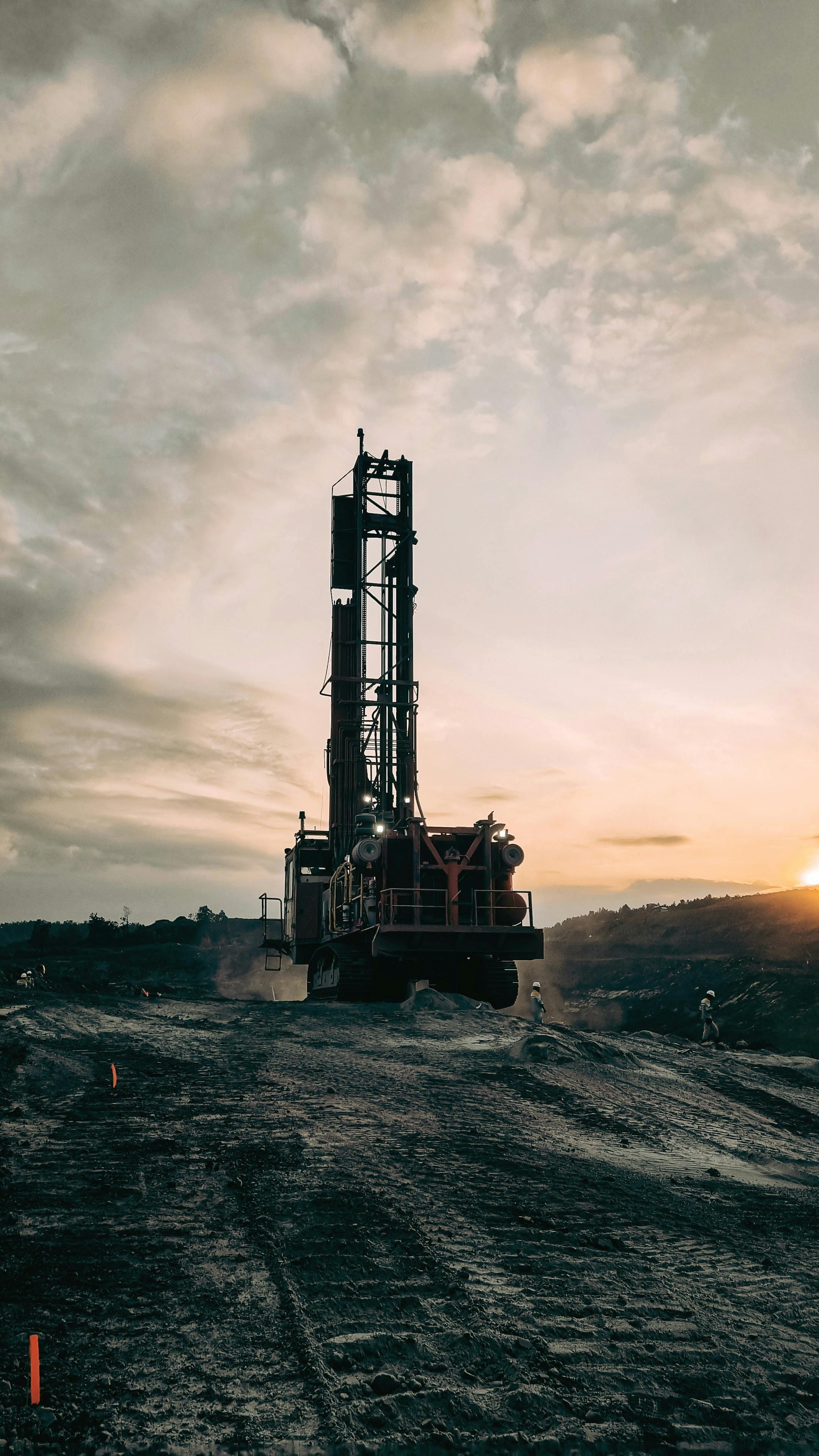
🌊 What Is Trump’s Offshore Drilling Plan?
The Trump administration’s current proposal would open up nearly 1.3 billion acres of federal waters along the Atlantic, Pacific, Gulf of Mexico, Arctic, and Alaska to new oil and gas lease sales over the next several years. This is an enormous expansion compared with recent plans and includes areas not previously leased for drilling.
This proposal has sparked widespread public opposition from coastal leaders, environmental groups, and even some lawmakers who worry about the risks to wildlife and local economies like fishing and tourism.
🐳 How Offshore Drilling Harms Whales
🚨 1. Oil Spills and Habitat Contamination
One of the biggest dangers of offshore drilling is the possibility of oil spills. Analyses suggest that expanding drilling could lead to thousands of additional spills, releasing millions of gallons of oil into the ocean. These slicks devastate the marine environment — coating the fatty tissues of whales and other mammals, disrupting feeding grounds, and poisoning critical ecosystems.
For example, the rare Rice’s whale in the Gulf of Mexico — with **only about 50 individuals left — lost roughly 20 % of its population in the BP Deepwater Horizon disaster. Another major spill could wipe them out entirely.
🐬 2. Disturbance from Seismic Testing
Before oil companies even drill, they use seismic airguns to blast loud pulses into the ocean floor to map potential deposits. These blasts can disrupt whale hearing — crucial for communication, navigation, mating, and feeding — and can lead to chronic stress or habitat abandonment.
Noise pollution isn’t trivial: whales rely on sound in a way humans rely on sight. Constant or intense noise can push them away from feeding and breeding grounds, with long-term effects on population health.
🌍 3. Climate Change and Amplified Risks
Offshore drilling locks in more fossil fuel extraction and combustion, worsening climate change, which in turn:
• Melts Arctic sea ice — shrinking crucial habitat for Arctic-adapted species like bowhead and beluga whales,
• Warms ocean waters and alters food webs that whales depend on.
🐋 Whales on the Frontlines: Species Most Affected
Here are a few of the whale species scientists say are especially vulnerable:
• Rice’s whale (Gulf of Mexico) — critically endangered and extremely sensitive to spills and noise.
• Southern resident killer whales (Pacific Northwest) — already struggling with food shortages, pollution, and ship noise; drilling adds another layer of stress.
• Blue and humpback whales — seasonal residents in proposed lease areas who could face habitat disruption and spill risks.
• Arctic whales (like bowheads) — dealing with melting sea ice and now threatened by drilling within fragile polar ecosystems.
🧠 A Broader Contradiction
Interestingly, Trump has also made public claims that offshore wind projects harm whales, using this as a reason to block wind energy development. Environmental scientists, however, have repeatedly debunked such claims, noting there's no solid evidence that wind farms are “driving whales crazy.” These assertions contrast sharply with the well-documented threats from drilling itself.
🛟 What’s Next?
The draft drilling plan is not yet set in stone. It is currently open for public comment and legal challenges, and environmental groups are actively organizing opposition. The stakes are high — not just for coastal economies and climate goals, but for whales whose survival depends on healthy, relatively undisturbed oceans.
📣 Final Thought
Whether you’re passionate about marine conservation or simply concerned about the future of our oceans, it’s worth paying attention to these policy shifts. The choices policymakers make today will shape ocean health — and whale survival — for decades to come.efforts. Trump's proposals aim to tap into untapped reserves of oil and gas, promising job creation and energy independence while dismissing the potential consequences on marine ecosystems. As the conversation around energy policy heats up, the stakes for America's coastal and marine environments become alarmingly high.
Critics argue that the drive for increased offshore drilling undermines decades of progress made in safeguarding fragile marine ecosystems. The move not only poses a threat to marine biodiversity but also raises significant concerns about the long-term health of our oceans. As various coastal communities brace for the possibility of drilling operations, the implicit risks associated with oil spills, noise pollution, and habitat destruction put iconic species like whales directly in harm’s way. The implications of Trump's drilling agenda stretch far beyond political rhetoric, as the interplay between energy policy and marine conservation becomes a central issue in the ongoing dialogue surrounding the future of America's coastlines.
Whales at risk: Understanding the ecological impact of expanded drilling
Expanded offshore drilling poses significant risks to whale populations, disrupting their habitats and threatening their survival. The introduction of drilling rigs leads to increased noise pollution, which can interfere with the communication and navigation of these marine giants. Whales rely on echolocation to find food and navigate through the ocean. The cacophony of machinery, seismic surveys, and vessel traffic associated with drilling can disorient them, potentially driving them away from critical feeding and breeding grounds. Additionally, the risk of oil spills raises alarms, as such disasters can lead to catastrophic consequences for marine ecosystems, directly impacting whale health and population dynamics.
Beyond immediate threats, the ecological impacts of oil drilling can have long-lasting effects on the marine environment. Chemicals from oil spills permeate the water, harming not only whales but also the entire food web. Plankton, the foundational element of marine life that feeds various species, can suffer from contamination, ultimately affecting whale populations that depend on these small creatures for sustenance. As former President Trump pushes for expanded offshore drilling, it becomes increasingly vital to consider these far-reaching consequences on whales and the delicate balance of marine ecosystems. The potential harm underscores the urgency for protective measures that prioritize the welfare of these majestic animals against the backdrop of political and economic agendas.
Why protecting marine life matters: The urgent call for conservation efforts
Protecting marine life is not merely an environmental concern; it is a matter of ecological balance that affects all life on Earth. Marine ecosystems serve as critical components of the global ecosystem, providing oxygen, regulating climate, and supporting a wealth of biodiversity. Whales, as apex predators and keystone species, play an essential role in maintaining the health of these ecosystems. Their presence signals a thriving ocean environment, while their decline can indicate serious underlying problems. By safeguarding marine mammals like whales, we not only protect their species but also the intricate relationships and habitats that foster resilience and diversity in our oceans.
Conservation efforts are crucial, especially in the face of the renewed push for offshore drilling. As drilling activities expand, they will inevitably disrupt the delicate balance of marine ecosystems, leading to habitat degradation, noise pollution, and increased risk of oil spills. Each of these threats poses a significant danger to whale populations that rely on sound for communication, navigation, and foraging. Protecting these majestic creatures requires concerted efforts from policymakers, environmentalists, and communities alike. We must advocate for responsible energy policies that prioritize marine health and ensure a sustainable future for both whales and the oceanic environments they inhabit.